Science on the Menu: A Food Safety Podcast by EFSA
Science on the Menu is a podcast by the European Food Safety Authority (EFSA) that explores topics related to food safety. Episodes cover questions like whether it's safe to eat insects, how much coffee is safe to drink daily, and the connections between human, animal, and plant health. The podcast aims to provide independent scientific advice to policymakers and the public.
Episodi
Episode 44 – Forever chemicals: what are the health risks of PFAS?
Forever chemicals are everywhere – but how worried should we be about them? In this episode, we look at the health risks from PFAS, a large group of chemicals used in everyday products, from non-stick cookware to waterproof clothing and food packaging. Together with EFSA expert Hans Steinkellner, we explore why these substances persist in the environment, how they can end
Episode 43 – Genetics in the field: how molecular scissors are redefining crops
For millennia, humans have selected and improved plants, helping us grow crops that are more productive, resilient and nutritious. But new genetic tools could completely redefine agriculture once more. In this episode, we explore how today’s breeders use tools like “molecular scissors” to edit plant genes more quickly and precisely than ever before. Together with EFSA expe
Episode 42 – Pesticides: the good, the bad and the ugly
Why are pesticides used and could society do without them? In this episode, we trace the story of agriculture, from its origins to modern day. We meet familiar enemies – pests and diseases – and explore how chemicals are used to control them and keep plants healthy. And we look at how traces can end up in our food - and environment - and what it means for our health and wi
Microplastics in food: What we (don’t) know
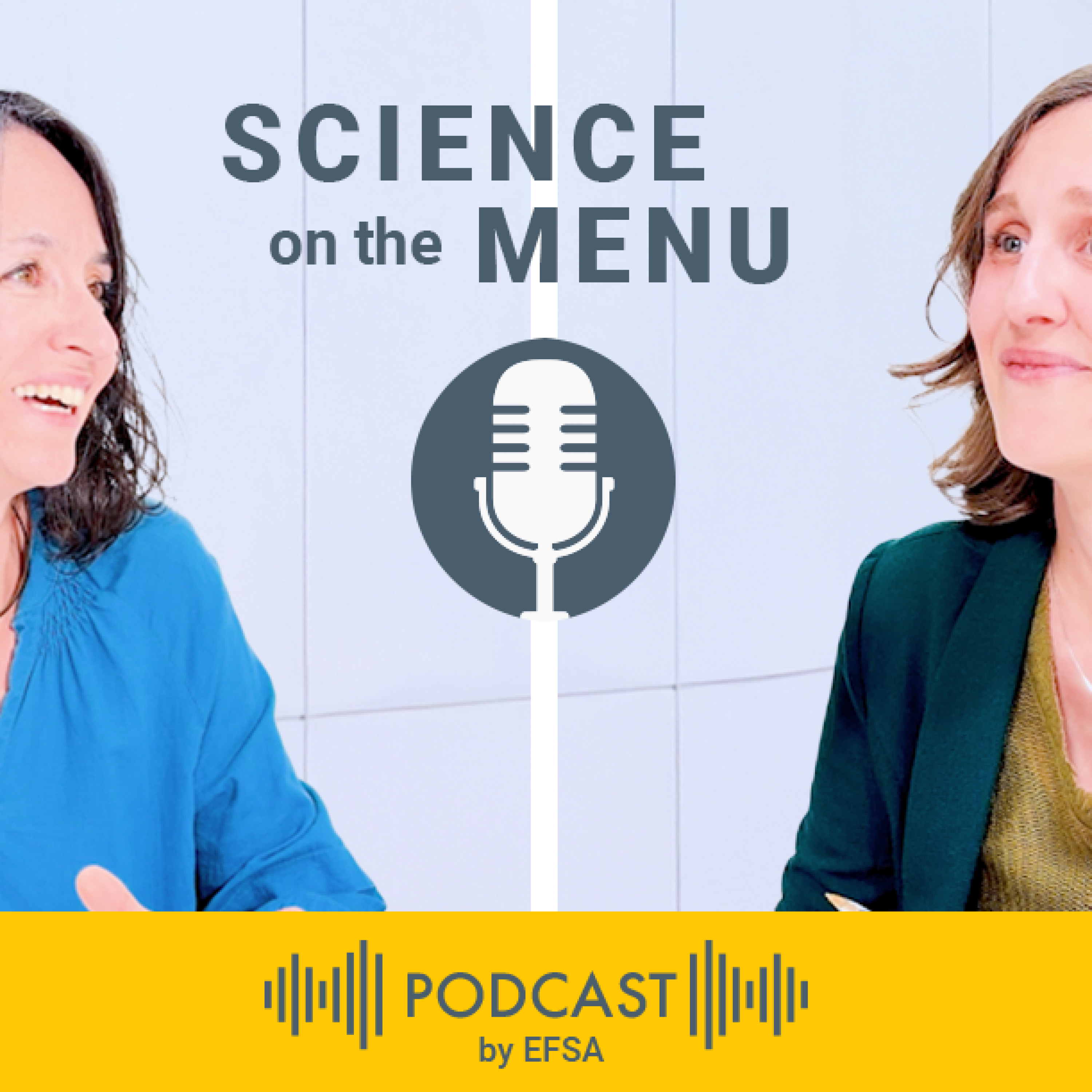
Microplastics are everywhere, from the oceans to our food, but what do we really know about their impact on our health? In this episode, we take a closer look at where microplastics come from, how they end up in food and drinking water, and what happens to them once they enter our bodies. Together with EFSA expert Elena Rovesti, we explore what science can already tell us,
Science communication: Taking misinformation off the menu
Science doesn’t end when the research is done. In this episode, we explore why how we talk about science matters just as much as the science itself. From food safety scares and fake news to insects, microplastics and AI, we look at how trust, transparency and audience awareness shape effective science communication. Joined by Barbara Gallani, EFSA’s Head of Communication a
EU career boost: EFSA is looking for you
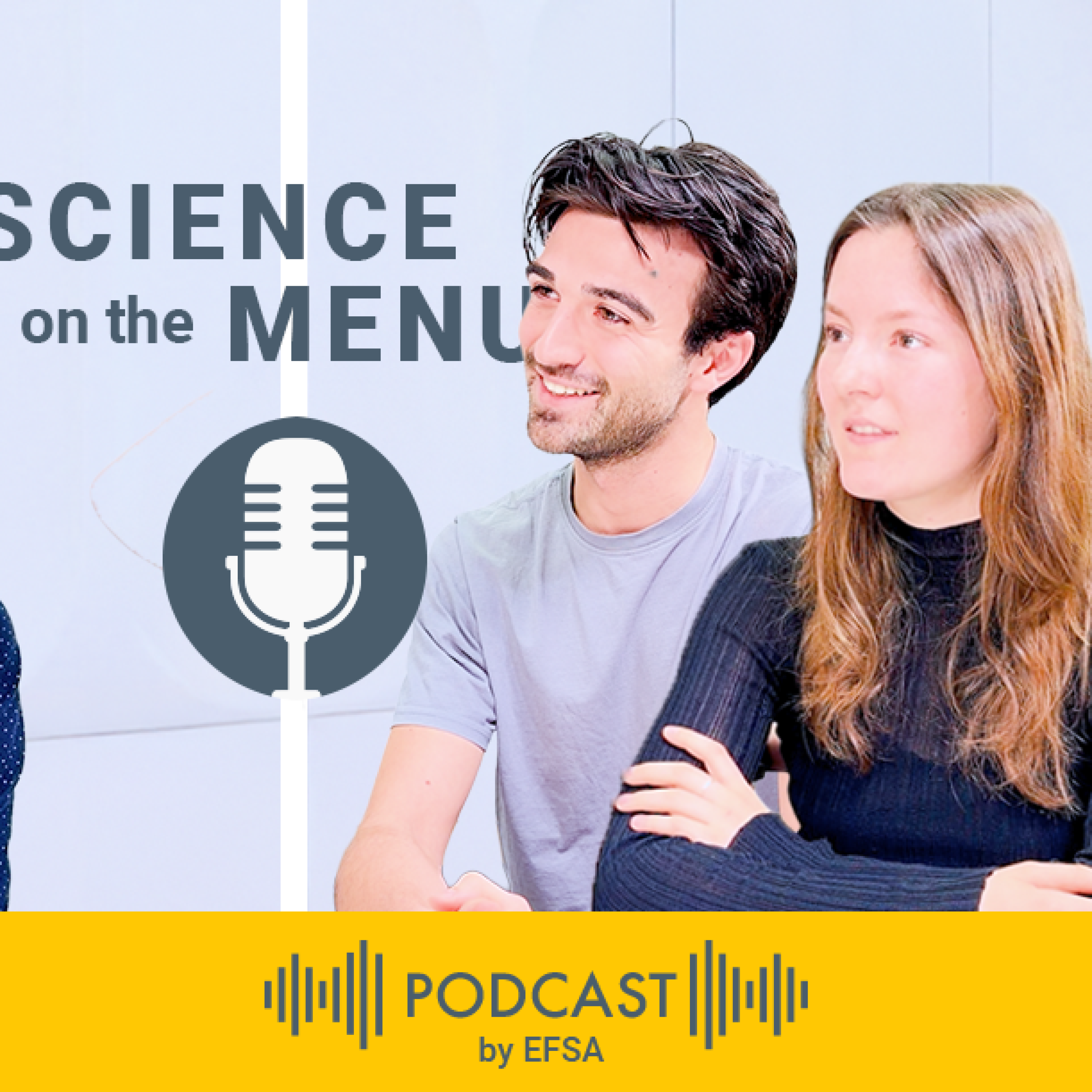
How do young professionals from across the globe get a job at one of the world's leading food safety bodies? How did they turn challenges into opportunities for learning new skills and building lasting friendships? In this episode, we meet Simone, Santiago and Aeris — trainees in science, strategy and communication — who share their stories and tips for thriving in Italy’s
Up to speed: How food risk assessment is changing
Keeping pace with change is a challenge for risk assessors. How are they innovating? How can they speed up their work? On this episode, we get a unique insight from Nik Kriz, head of the EU’s food safety agency. We hear his views on the EU’s food system, trust in science and how the top EU food assessor intends to stay relevant in an increasingly noisy and confusing world.
No secret sauce: a recipe for transparent science
Access to documents is a crucial ingredient of open science. But how do lawyers assess what requires protecting and what to release? When do the courts intervene? In this episode, we explore how the law plays a fundamental role in our daily meals. We look at how the independence of scientists is evaluated and cases where intellectual property rights may be overridden. And
Nice to m-eat you: what are alternative proteins?
Legumes, mealworm powder and duck cell biomass produced in a lab may seem worlds apart but they all feature in conversations about how our food system is evolving. We look at why so-called alternative proteins are getting so much interest across the world and why their future is such a hot topic. Together with our guest Ermolaos Ververis we discuss how their safety is asse
Bean there, cooked that: are raw legumes safe?
How we prepare our food influences its taste, aroma and appearance, but most importantly its safety. This is especially true for legumes such as beans and lentils, which contain substances called lectins that can be harmful to humans. Which type of lectins are the most damaging, and what can we learn from our ancestors when it comes to preparing traditional recipes safely?
Cost, origin, taste: what influences our food choices?
What’s most important to you when you buy food? Is it how much it costs, how it tastes, where it comes from or something else? In this episode, we’re exploring the results of our latest Eurobarometer survey, how the survey is conducted and what it tells us about our food choices.
We’ll look at where we get our information about food and whether concerns over food saf
Exposure matters: why the dose makes the poison
Apple seeds contain cyanide, a deadly poison. And yet, eating an apple will not kill you. In fact, it’s considered a healthy snack! That’s because it’s not just about what’s toxic but how much of it you are exposed to. In this episode, we take a closer look at the differences between hazards and risks and what that means for dangers that may be lurking in our food and drin
Data vs stereotypes: what Europeans eat
What do Europeans eat? On this episode, we’re talking food consumption data – how it is collected, what it shows and why it’s so important. Come explore with us why good data is crucial for shaping nutrition policies and keeping food safe. We’ll put some stereotypes to the test - is it true that Italians eat the most pasta? And who eats the most chocolate? And we’ll hear w
Sizzling summers: BBQ safety served hot
Barbecues have been popular for centuries. Traditions vary around the world, but shared enjoyment of slow-cooked food is universal. Whether you prefer to cook over charcoal, woodchip, gas or an electric grill, food safety remains critical.In this episode, we look at how the safety of our BBQ equipment is assessed and tips for staying safe when grilling. We also discuss our
Food supplements: to add or not to add?
What are food supplements and do we need them? From sprays and soluble vitamins to fortified foods, we explore different ways to supplement our diets and the importance of sticking to recommended doses. Tune in to find out what supplements can and cannot do, and how their safety is assessed to help you make informed choices. Your opinion matters! Please take this brief sur
Science in action: the people behind food safety
What do regulatory scientists do every day? Where are their lab coats? As we celebrate World Food Safety Day on June 7 and this year’s theme of Science in Action, we’re hearing from the scientists who help keep food safe. Come join us as we surprise them at their desks to see what they’re working on. We’ll explore whether regulatory science can keep pace with new research
Egg-stra special: spring food traditions
With the arrival of spring comes another episode celebrating festive foods! This time, we are diving into one of the most widely consumed products across Europe – eggs. Whether decorative, chocolate, or boiled, eggs play a central role in many springtime celebrations. Curious about how to dye an egg? Or how to win at a game of egg tapping? Join us as we explore these tradi
Never mind the buzzkill: How mosquitoes spread disease
Tiny killers. Mosquitoes are the most dangerous creatures on our planet. Millions of humans and animals die each year from diseases spread by mosquitoes and other insects. How do they spread these diseases? And how does climate change affect the trend? Join us as we explore the lives of some of the planet’s least popular insects and learn what we can all do to protect ours
Women in science: In their words
What is the reality of being a female scientist in Europe? In celebration of the International Day of Girls and Women in Science on 11 February, we’re exploring women in science. How far have we come in ensuring women’s voices are the norm in science? What does the journey toward greater female representation look like from the perspective of someone living it every day? T
Riding the wave: How shifting oceans shape our food
Oceans have long captivated our imagination. Think of swashbuckling pirates or bold explorers seeking far off lands. Today the oceans represent a new frontier. Beneath the seafloor lie precious minerals that could drive technological innovation. Ocean aquaculture could address sustainability issues from farming on land. Climate change is opening new sea routes for trade. B
Festive foods: What’s behind the traditions?
Food is always a key part of the festivals we celebrate at the end of the year. But what’s the meaning behind the traditions we attach to them? What foods are thought to bring wealth and good fortune? Why are some foods avoided? Join us as we journey through different countries and their culinary traditions. Listen in for some curious facts and even a few red herrings. You
Food additives: Can I have your E number?
We’ve been looking for ways to preserve food for millennia. Salt helped many civilisations develop. We pickled food in vinegar and stored fruit in honey. But for what purpose are food additives used today? And how did the emergence of supermarkets change this? What about health risks? Join us as we take some foods off the shelves to investigate! Listen out for tips on main
Fighting Xylella, the silent plant killer
Olive trees are an iconic feature of the landscape and cultural heritage in southern Italy. But a deadly bacterium, Xylella fastidiosa, has left parts of the Apulia region looking like a wasteland. Is there any hope? Millions of trees are dead, and the bacterium threatens to spread further north, to other plant species too. What’s being done to stop its spread? What lesson
Purrfect nutrition: What's on our animals' menus?
We love our pets. But how well do we understand their diets? What role do additives play in their feed? From improving animal nutrition and welfare, to boosting production on farms, to changing an animal’s appearance, feed additives have a huge range of uses and are a fascinating element of our animal’s diets. They even provide hope in the fight against climate change by r
Fowl threat: is avian flu going viral?
Avian flu has decimated poultry and wild birds around the globe in recent years. The virus has now spread extensively among mammals, affecting more than 50 species from cats to sea lions. The disease was recently discovered in dairy cows in North America and some farm workers were infected, causing widespread alarm. Could this be the next pandemic? Can we stop it spreading
Prepared for the unexpected
The EU has one of the safest food systems in the world. But food safety incidents can always happen. If they do, the EU is prepared to react quickly with immediate action. Identifying the source of foodborne disease outbreaks is crucial and national authorities act to ensure consumers are protected. Preparing for the unexpected is the theme of this year’s world food safety
Celiac disease: living without gluten
Over 5 million people in the EU live with celiac disease, a condition for which the only treatment is a gluten-free diet. Why do some people have it? We still don’t fully know. A tool for screening for proteins in foods is a new milestone. As we celebrate celiac disease awareness day, join us on this exploration of the gut and how research is shedding new insight into our
A life leading on food safety
Food safety has come a long way since the years of numerous crises in the 1990s. The EU established an independent risk assessor at EU level and developed new ways of working. But is the current system enough to manage future threats to the health of humans, animals and the environment? Fake news, new technologies, future pandemics – what challenges and opportunities do th
Joining forces for humans, animals, environment: One Health (II)
Our wellbeing depends on the health of animals, plants and our environment. What affects one affects all the others, and increasingly so. A One Health perspective is about joining forces to find integrated solutions to common challenges such as climate change and antibiotic resistance. Join us for part II of o joint podcast episode on One Health with four other EU scientif
Joining forces for humans, animals, environment: One Health
Our wellbeing depends on the health of animals, plants and our environment. What affects one affects all the others, and increasingly so. A One Health perspective is about joining forces to find integrated solutions to common challenges such as climate change and antibiotic resistance. Join us to hear from experts at five EU scientific agencies about how we can put One Hea
Mice or men: Beyond animal testing
Animal testing has helped keep us safe for over 60 years since it was first introduced. But recent advances in data modelling now offer a better and more ethical alternative. Tune in to find out more! Join us on a journey that starts with a tragic incident resulting in birth defects, to laws requiring animal tests on new substances, to a glimpse of a future without animal
Alien (species) vs plants: beware of the invaders
Invasive alien species can cause serious problems when they enter new territories, for example as pests in agriculture and forestry. In this episode, we shine a spotlight on our work on plant health and the risks posed by these unwelcome guests. Join our scientific experts Agata Kaczmarek and Sara Tramontini, and communications expert Irene Zanetti, as we explore the steal
Toxic tastings: contaminants in food
Contaminants can enter our food through various pathways, including cooking and processing methods, pollution from human activities and naturally occurring sources. At EFSA we assess the risk posed by all these types of contaminants and give recommendations to policy makers or consumers on how to reduce risks. In this episode our expert, Mary Gilsenan, guides us through th
Material matters
Our food and drinks encounter all kinds of materials – plastic, metal, glass, and ceramics to name a few. But what are the health risks? And faced with the growing problem of plastic pollution, how is food packaging changing? Tune in to find out more! We’ll take you on a journey from plastic to metal to bamboo, from recycling to new intelligent materials. Grab your reusabl
From lab to fork
Ever wondered what a lab-grown steak tastes like? Or how to grow one? Listen in to find out! From cultivated chicken nuggets to cell-based beef burgers, food derived from cell culture has been making headlines around the world. We look at the motivations behind it, the challenges that producers face and whether it could ever become an alternative to traditional meat. Our e
Thirsty work
What happens to us when we get dehydrated? How can we prevent it? It’s not just about drinking water. Listen in to find out! We also look at how elite sportspeople maintain optimum performance and why older adults and parents should pay particular attention to hydration. Our expert, Silvia Valtueña, gives us her tips and talks us through EFSA’s scientific conclusions on da
ASF: a virus with no cure or vaccine
Harmless to humans, but deadly to pigs and wild boars, African swine fever (ASF) is a viral disease for which there are neither vaccines nor cures. In recent years it has spread across Europe and worldwide, causing serious socio-economic consequences in the affected regions. Join us for this episode of Science on the Menu, in which our expert Lina Mur explains the state of
Climate change: what it means for food safety
Most of us will be familiar with the impact climate change has on the environment – biodiversity loss, rising sea levels, higher temperatures and much more. But it also has direct and indirect effects on the safety of our food and this is something that EFSA has to take into account when assessing risks to human, animal and plant health. Join us as we talk to one of our ex
Antibiotics: handle with care
Antibiotics are nowadays very important. They protect human and animals from a wide range of infections, but this precious resource is to be used with care. A growing number of bacteria are able to survive or multiply in the presence of antibiotics, some of them widely used to treat common diseases that, only one century ago, could be lethal. Join us for this episode of Sc
Avian influenza: a bird’s-eye view
The situation regarding avian influenza continues to evolve in Europe and globally, with new outbreaks reported in birds, occasional infections in mammals and sporadic cases in humans. Join us for this episode of Science on the Menu, in which our expert Francesca Baldinelli explains the state of play.Your opinion matters! Please take this brief survey to share your thought
Animal welfare on the move
Animal welfare affects us all. Did you know your health is directly linked to the well-being of animals? Listen in to find out why! Welfare is not only an ethical issue, it's a scientific one. Our scientists at the European Food Safety Authority (EFSA) are investigating the latest scientific evidence on how animals experience their surroundings. Our expert, Sean Ashe, walk
Crunch time for insects
What’s your idea of a tasty snack? Fruit, biscuits, bread and jam perhaps? What would you say if you were offered something more adventurous – fried crickets or grasshoppers? Popular in some countries such as Thailand and Mexico, they are often eaten with chili and lime. In Europe, reactions are mixed! Our expert Ermolaos Ververis explains how EFSA’s novel foods team asses
Unwelcome gifts: food poisoning unwrapped
Are you looking forward to the holiday season to savour the finest traditional dishes with your friends and loved ones? The second episode of our podcast “Science on the menu” is the perfect soundtrack.Valentina Rizzi, Head of EFSA’s Biological Monitoring team, walks us through the risks linked to food contamination and the rules we should follow to make sure the food we p
Food choices: beyond gut feelings
What is your first concern regarding food? Does food safety cross your mind when you think about what to eat? For close to half Europeans it is the case, as EFSA social scientist Domagoj Vrbos explains to us. Come and sit at our table in this first episode of “Science on the menu”, in which we will talk you through the insights of the latest Eurobarometer, unveiling EU cit
Science on the Menu: trailer
Should you wash fruit even if you don't eat the peel?
Would you dare try cricket based hamburgers?
Do you trust the food you eat?
If you would like to learn more about the science behind safe food, welcome to Science on the Menu, a podcast produced by EFSA, the European Food Safety Authority.
Consigliato
I Doppiati - F1 podcast

Fuori di Cabello
La Guerra Grande
Vaporetto Italiano Podcast
Magia a Venezia: An Italian Short Story for Beginners (A1-A2)

Incontri in Sicilia - a Short Story in Simple Italian (A2-B1 CEFR)

ANSA Daily
Ciao, Internet! con Matteo Flora

Advanced Italian Podcast | Italiano per avanzati con Teacher Stefano

Serendipity
Ci vuole una scienza

Italiano Automatico Podcast
